I am the Content Writer at Oliver’s Travels. With a background in travel, food, and luxury copywriting, I share stories and inspiration that help travellers discover beautiful destinations around the world.
In France, food is a matter of national heritage, protected with much the same seriousness as its art and architecture. Champagne can only come from Champagne, Roquefort must be matured in the caves of Roquefort-sur-Soulzon, and hundreds of regional specialities are protected by strict appellation laws governing where and how they are produced. The French call this relationship between food and place terroir. It is an idea that encompasses the land, climate and generations of knowledge behind what ends up on the table.
Nowhere does grandeur quite like a French château. Beyond wrought-iron gates and long gravel drives, you may find formal gardens with clipped topiary, acres of woodland, vineyards, towers and salons that have seen several centuries pass through them. Some are grand and impeccably restored, others softer around the edges, with weathered stone and rooms that carry the character of the house.
From the limestone slopes of Burgundy to the grand estates of Bordeaux and the sun-baked vines of Provence, for anyone who really loves wine, a trip through France’s vineyards can feel like a spiritual homecoming.
Centuries of cultivation, trade and an almost obsessive attention to what grows best where have turned its wine regions into places of pilgrimage. Bordeaux and Burgundy long ago transcended the vineyards that produced them, their wines carried along rivers, shipped through ports and traded by merchants who carried those names far beyond France.
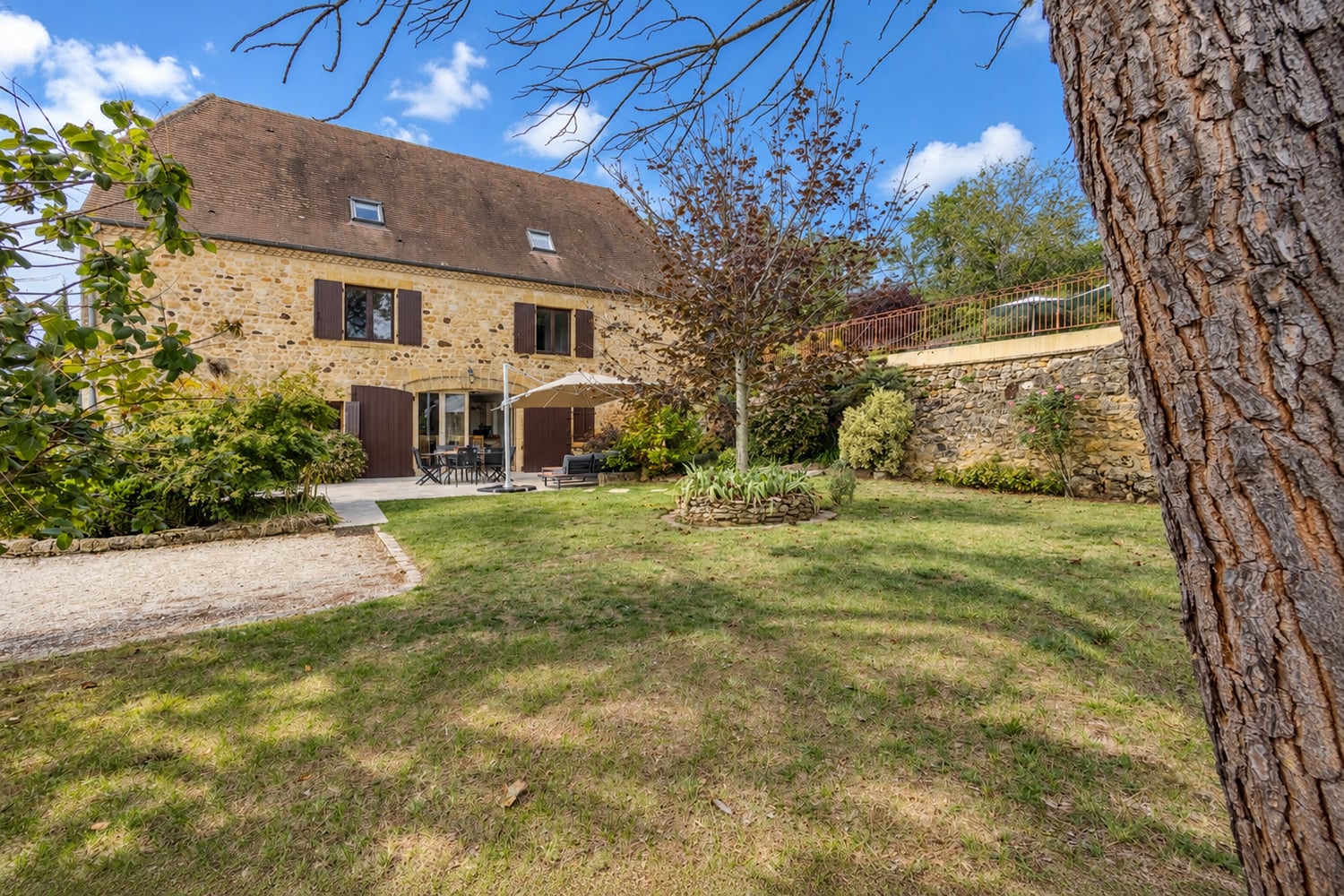
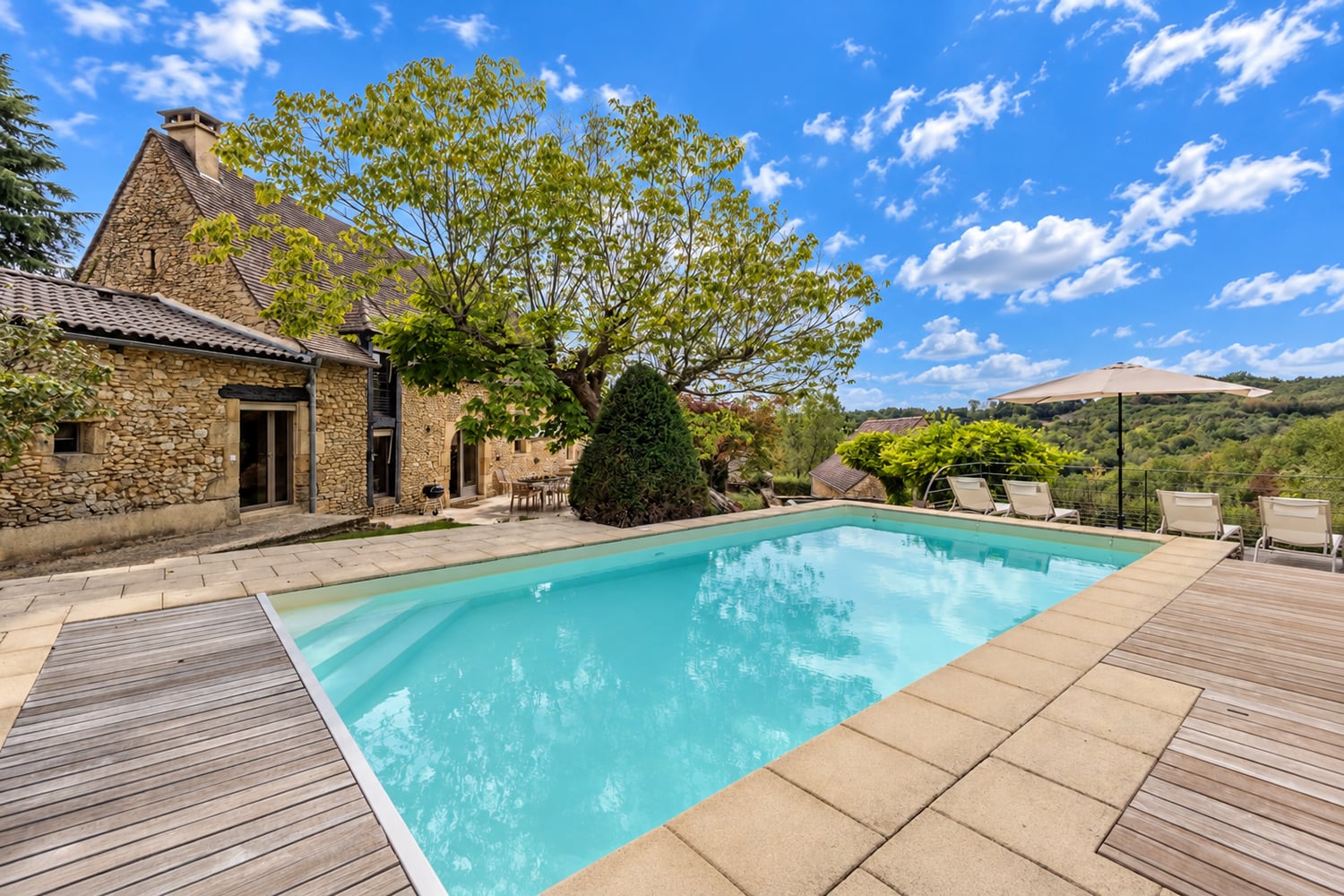
The Dordogne’s cooking is dark with walnuts, glossy with duck fat, regularly perfumed by the musky, woody scent of black truffle. Even the salads can arrive with enough confit, foie gras and toasted gésiers to make 'salad' seem gratuitous.
Some holidays start when you arrive; others are dampened when your dog spots the suitcases and realises their family may be leaving without them.
France proposes a simple solution – bring them along. It is close enough to reach without a flight, varied enough to feel like a proper change of scene, and full of places that four legs love: forest paths, riverbanks, gardens with more interesting smells than the one at home.
On 14 July, France observes la Fête nationale – the national festival – or more simply, le quatorze Juillet – the 14th of July. In English, we tend to call it Bastille Day, fixing our attention on the storming of the Bastille prison in Paris in 1789, when the medieval fortress and royal prison – and symbol of absolute power – was seized by revolutionaries. But the day also looks towards the Fête de la Fédération of 1790, a great civic gathering held one year later on the Champ de Mars, when France briefly imagined itself remade around unity and the promise of a new political age.
The Tour de France began, as many great French institutions seem to, with ambition. In 1903, the newspaper L’Auto sent 60 riders out from the edge of Paris and around France in a race designed, at least partly, to sell more papers. It was a ferocious thing from the start. The first edition ran for six stages and more than 2,400 kilometres, with riders travelling through day and night on roads that were little more than dust and stone. Maurice Garin, a former chimney sweep, won that first Tour, arriving in Paris to the kind of reception that made it clear the race had already become bigger than its origins.
By the time June has rolled around, France has already begun its turn towards summer. It happens, at first, in domestic ways – shutters close against the white-hot sun, cherries are packed into lunch boxes, chairs spread across pavements, bottles of white wine and rosé bead in the heat, ready to be sipped long into still-light evenings. Everywhere, there are bare arms and sun tans. The new, bright smell of citrus. Barbecues. Grilled fish.
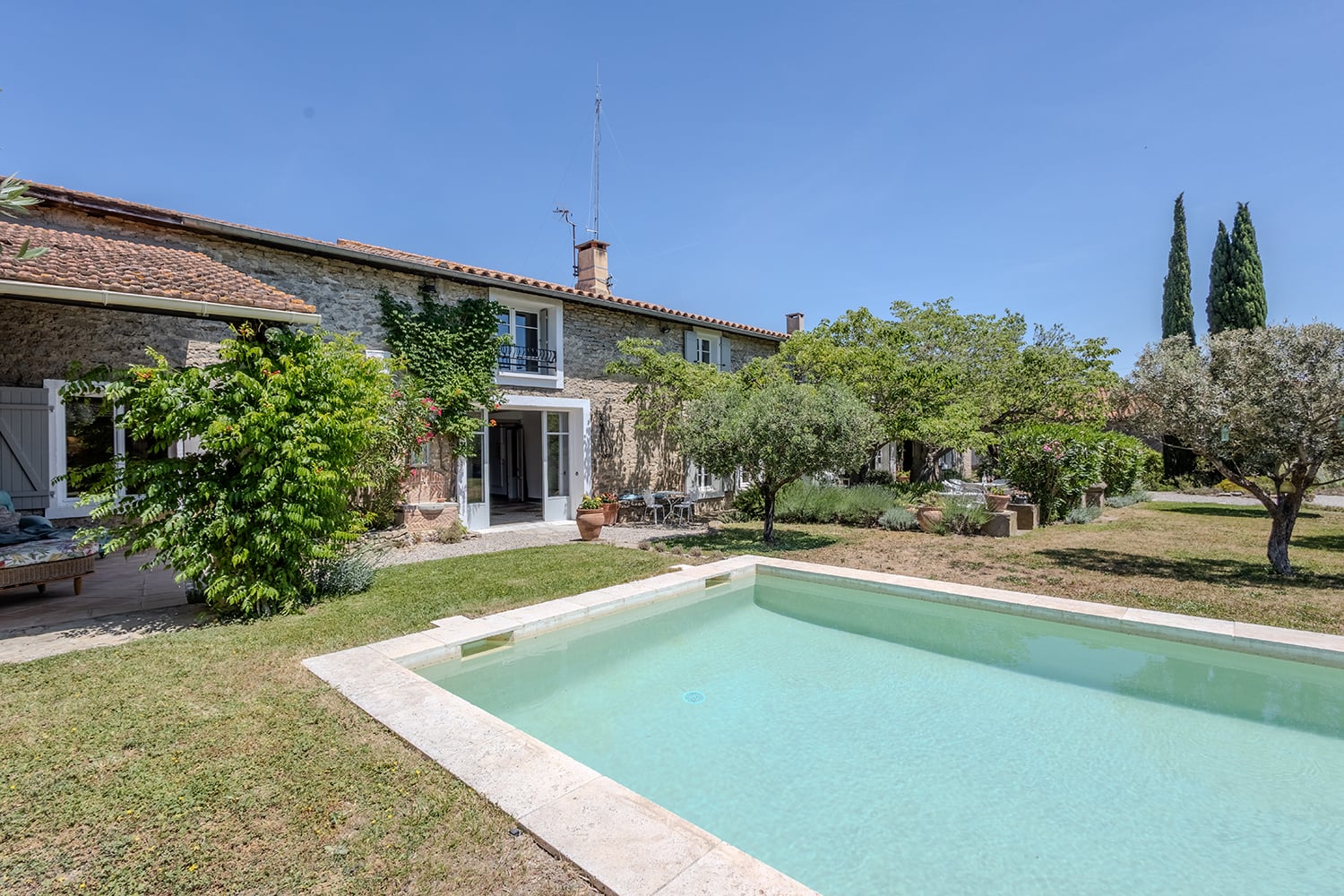
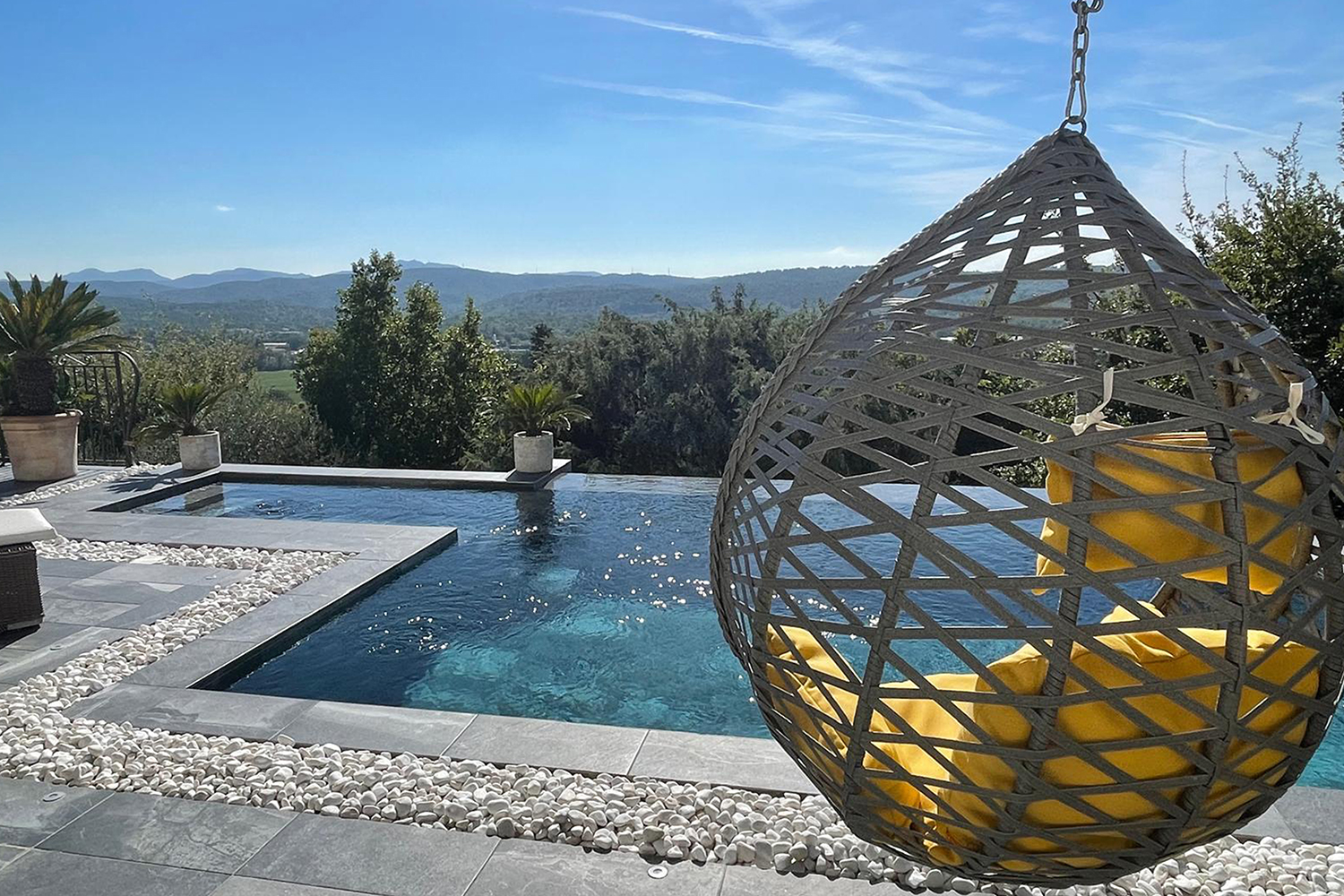
Provence is one of those destinations that comes pre-lit in the imagination, with its pale stone and plane trees, lavender roads and olive groves, shutters faded by hot, languid summers. For travellers, its appeal is enduring, it is in the village squares where chilled rosé beads in heat, in châteaux with pale turrets and storybook proportions, in the Provençal light that softens the edges of a day. For those who have not yet been, this corner of France can feel like a memory they have not got around to living.
The Loire Valley offers a slower sort of persuasion, with its pale stone villages, wide river light, and vines combed neatly over the hills. For centuries, this part of France has drawn kings, writers, winemakers and travellers. Leonardo Da Vinci – the great Renaissance man himself – decided to spend the last of his days here, coming to Amboise with his notebooks and inventions. He died at Clos Lucé in 1519, having crossed the
Cannes has always understood the glamour of a little theatre. Long before the black cars and the ceremonial ascent of the Palais steps, this small fishing town had already begun rehearsing its role as a place of refuge. In the 1830s, Lord Brougham, waylaid on his way to Italy, found himself on this bend of the Riviera and did what generations of travellers have done since: he looked at the light, the sea, the olive trees, and decided not to leave quite yet.