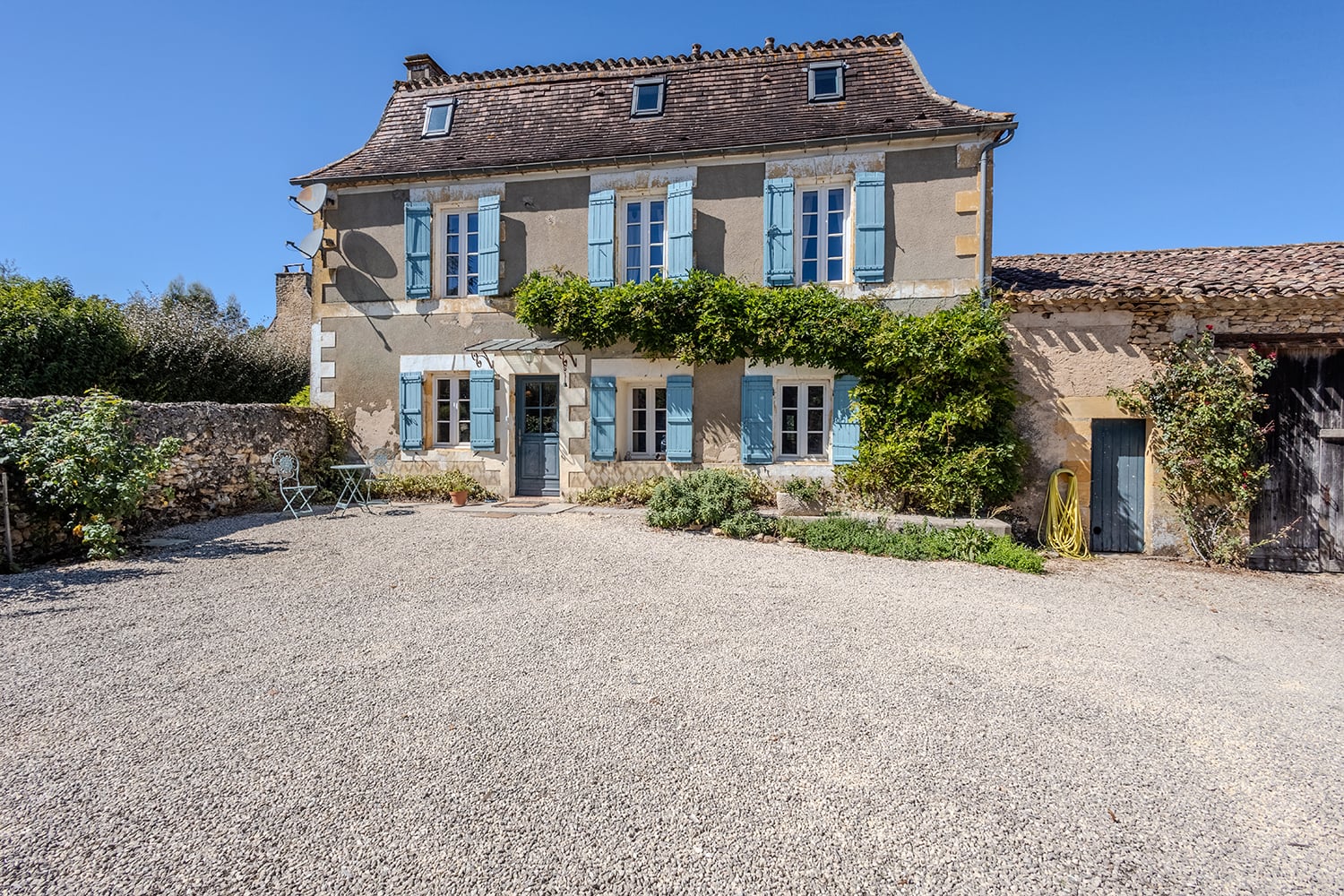
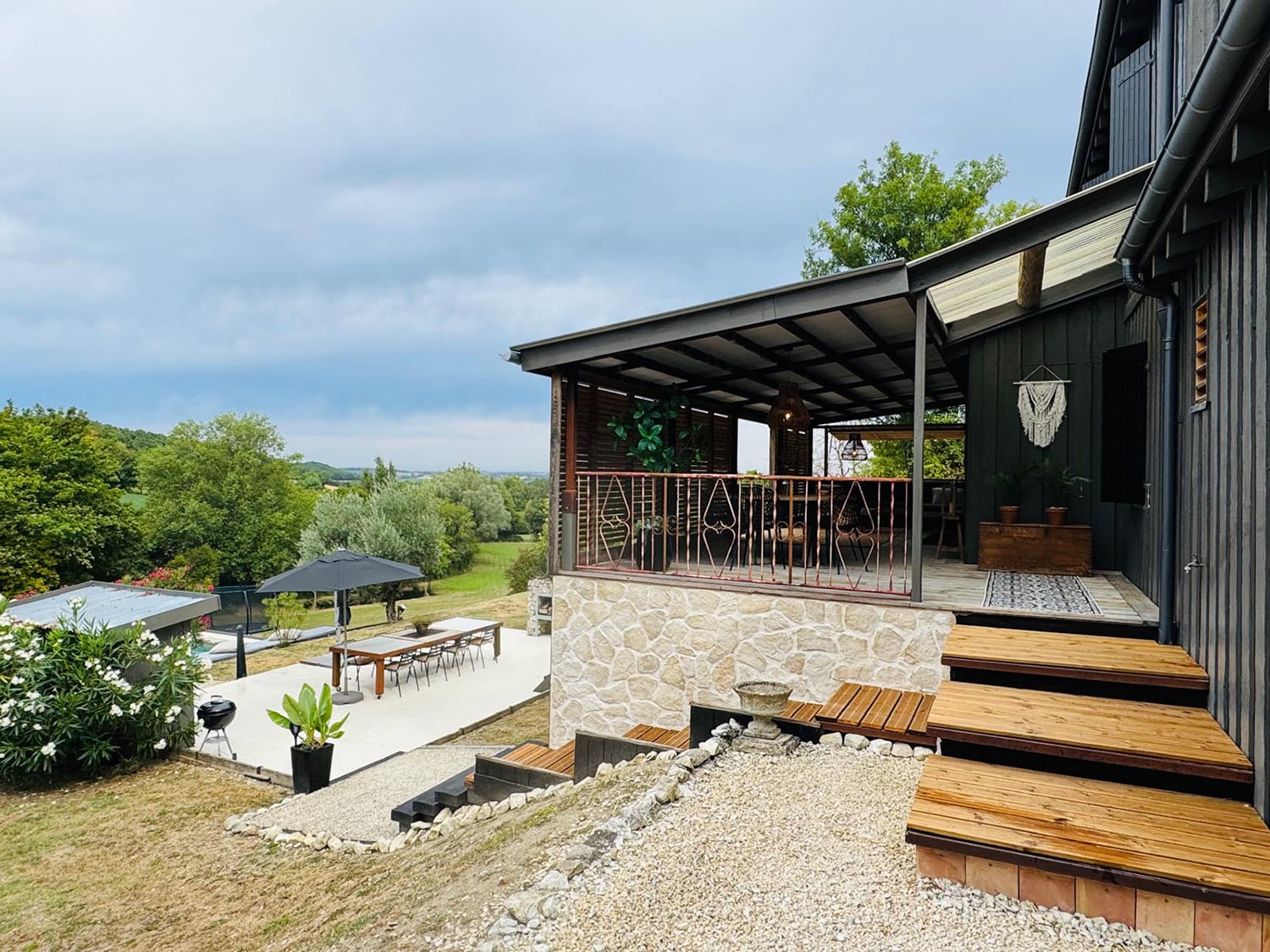
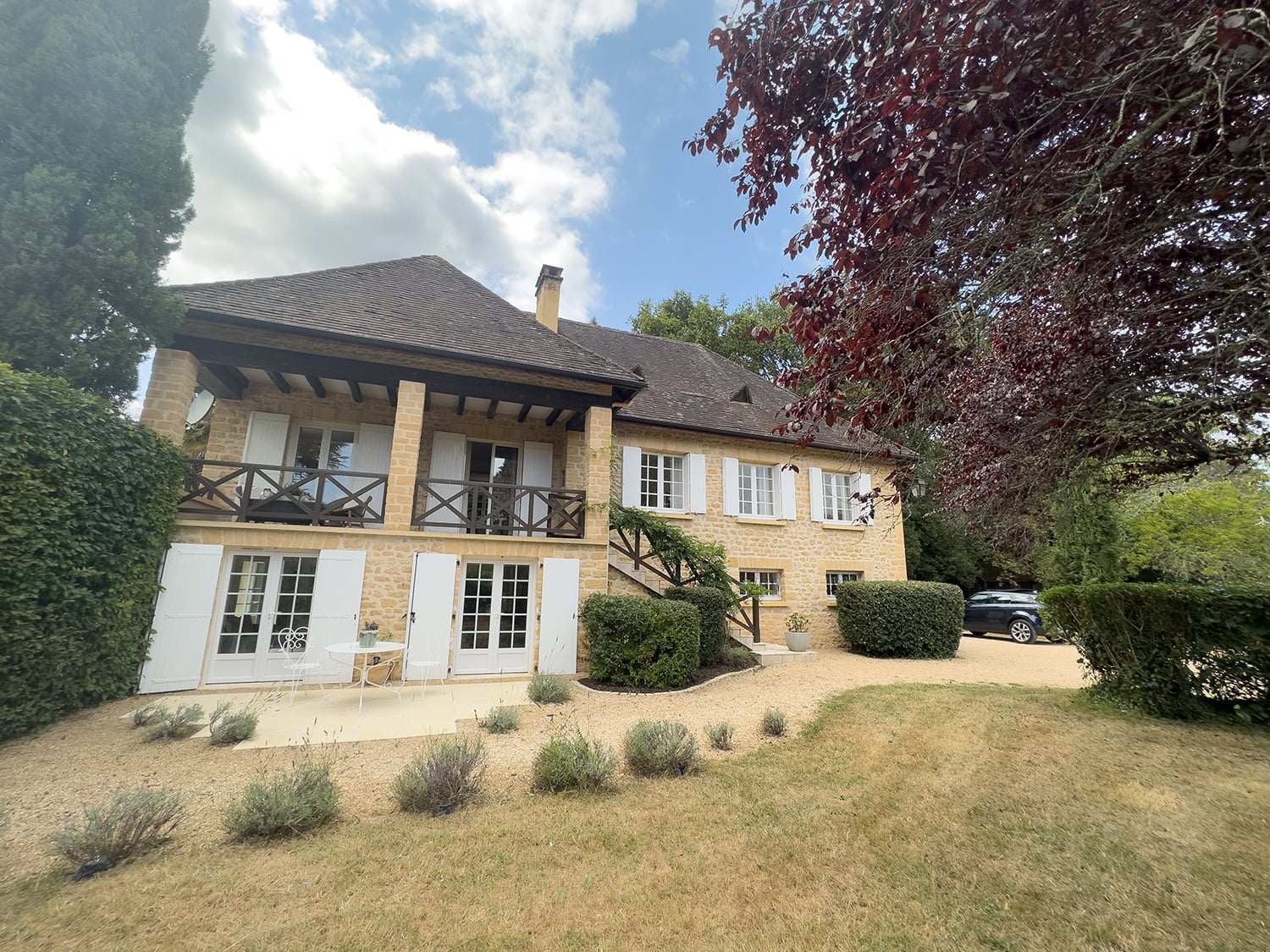
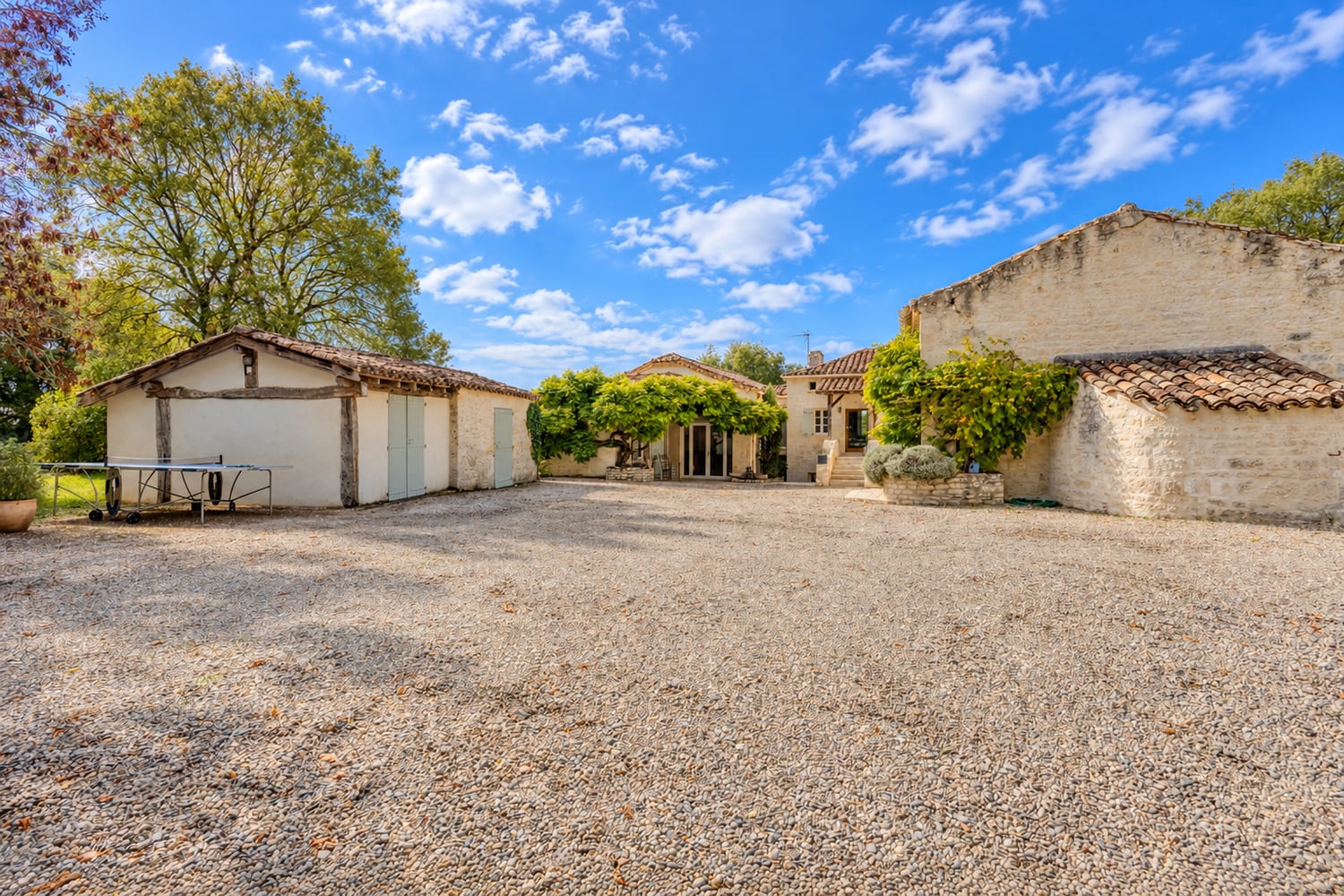
Love at first sight, yes it's real – or it was for my husband and I… Truly, we went out for dinner and came back having bought a house. We'd always fancied trying to afford a second home, somewhere to escape to with a kinder climate but otherwise all the benefits of home, no compromise.
What's behind that door, we asked the owner of what eventually became Maison Tigre, looking at a small, badly fitted wooden door at the end of the hallway. We knew there was some sort of building next to the main house but had no idea what it was or what state it was in. 'Oh you can’t go in there,' she said 'it's far too dangerous! It used to be the village cobblers but the roof and floors have collapsed and it's just a pile of rubble.'
How to make your holiday rental house a home. Make the most of your self catering family holiday house by making it feel like a home away from home.
The owner of Château Monjardin in the Loire Valley describes how you can make your holiday house feel more like a home for your family during your stay. Add fresh flowers, cook using local produce and make the space your own.
Location, location, location, the estate agents are always right and location is absolutely critical! The 'Côte d'Azur', that supposedly perfect sun-drenched coastline, is not what it was 50 years ago: it's overbuilt with concrete and empty beaches are almost impossible to find.
Nestled in the heart of Provence, the Luberon is one of the most enchanting regions in southern France, renowned for its picturesque hilltop villages, fragrant lavender fields, rolling vineyards and breathtaking countryside. With its traditional stone houses, colourful markets and relaxed Mediterranean lifestyle, the Luberon offers an idyllic setting for an unforgettable holiday in France.
Discover Languedoc wine making region. The house has been in our family since 1816. After we took it over in 2012, our project was to make it our perfect holiday retreat. We wanted to find the ideal combination between the charm of an old château-like house and modern comfort.
Built in manoir-style of the Perigord region, this gracious home offers everything you need for a perfect French vacation and is rich with local history. It was built along an ancient Roman road and once belonged to the diocese of Monflanquin and in the past the canon used to live here.
Château Entre-Deux-Mers is the ideal holiday destination for anyone looking for peace and relaxation, gastronomy and culture, authenticity and modern comfort.
The 18th century castle accommodating 12 people underwent full renovation and has been furnished with taste and abundant attention to detail. A cool mix of traditional style and contemporary chic. You immediately feel right at home!
Discover the fascinating Lascaux Cave near Montignac in the Dordogne, home to some of the world's most remarkable prehistoric cave paintings. A journey into the history of early human civilisation.
Le Manoir de Fouilloux lies in soft rolling countryside in the North Easterly corner of the Dordogne, close to the small town of Saint-Aulaye; in the beautiful Dronne Valley.
She sits within a 40 minute drive to the world famous vineyards of Saint-Émilion and Pomerol.
Discover the magnificent Promenade des Anglais in Nice, one of the most iconic seafront boulevards on the French Riviera. Famous for its sparkling Mediterranean waters, elegant architecture, palm-lined avenues and breathtaking coastal views, this celebrated promenade captures the timeless beauty and glamour of the Côte d'Azur.
In Avignon in the South of France is one of Europe's largest medieval Gothic style buildings. Consisting of two buildings, the old and the new Palais. It's library houses over 2,000 volumes.
Construction design was done by Pierre Peysson and Jean du Louvres. The building was classified by the UNESCO World Heritage Site in 1995.
Discover the magnificent Marseille Cathedral, known locally as Cathédrale de la Major, one of the most impressive religious monuments in southern France. Overlooking the Mediterranean Sea, this extraordinary cathedral is celebrated for its spectacular Romano-Byzantine architecture, magnificent domes and fascinating history.
The old French fishing village of Le Grau Du Roi in the Gard is a popular modern seaside resort, enjoying a Mediterranean atmosphere.
Its streets with bars and restaurants are lively with tourist during the summer months.
The Mediterranean coast offers a range of water-sports and beach bars.
An absolute gem of a city on the Rhône river in Provence. A charming city with a small-town feel and well worth visiting not only for its famous bridge, the Pont d'Avignon.
Take the time to visit the city of Avignon in Provence and you won't regret it.
Situated among the rolling vineyards of the Gironde in southwest France, Saint-Émilion is a picturesque medieval village renowned for its world-famous wines, historic architecture and UNESCO World Heritage status.
A monument set in a park in Marseille, the Palais Longchamp houses the Musée des beaux-arts and Muséum d'histoire naturelle de Marseille.
Close to the port of Marseille, the Palais Longchamp constructed 1862 and opened to the public 15 August 1869.
It's notable gardens are recognised by the French Ministry of Culture.
Château-de-Baux has a long and rich history, dating back to the 10th century with early texts documenting the château original name as being Château Balcio and the residence of Lord Pons le Jeaune.
In the 14th century the câateau became home to the Lord of Baux, who famously became known as 'the scourge of Provence', because he defied and rebelled the court of France and the pontifical power during his rein.
The UNESCO listed Roman aqueduct, the Pont du Gard is sure to impress. Built in the 1st century AD and towering nearly 50m above the riverbed, this should be a firmly on your daytrip list when visiting the Languedoc-Roussillon, Occitanie.
Built as part of a series of aqueducts supplying the then Roman city of Nîmes, the Pont du Gard is now a well deserved UNESCO world heritage listed site.
Located in the Bay of Marseille, 1,5km off shore lies the Island of If. The uninhabited island with its high ramparts has the 3 storey 16th century fortress, Château d'If at its centre.
Tourists can visit the château, its courtyard and view its original prison, made famous by Alexandre Dumas' novel 'The Count of Monte Cristo'.
In the heart of Périgueux, named after Saint-Front, the first bishop of Périgueux, Cathédrale Saint-Front is the only Romano-Byzantine architecture of its kind in the world.
Since 1998, the cathedral has been classified at World Heritage and a historical monument since 1840.
Also known as the Pont d’Avignon, this famous medieval bridge was built over the Rhône river between Villeneuve-lès-Avignon and the town of Avignon in the 11th Century.
Only four arches, the gatehouse and the Chapel of Saint Nicholas sitting on its second pier survived. They can be seen at the Avignon end.
Visit the 11th century Château de Saumur which overlooks the lovely town of Saumur in the Loire Valley.
Discover how the château has been a fortress, a prison and a residence for important local figures and complete you visit by exploring the museum that houses wonderful works of art.
Just a short boat ride from Cannes on the French Riviera, the Lérins Islands are a beautiful Mediterranean archipelago renowned for their crystal-clear waters, unspoilt natural landscapes and fascinating history. With fragrant pine forests, secluded coves and historic monuments, these peaceful islands offer an idyllic escape from the glamour and bustle of the Côte d'Azur.
Perched high above the River Dordogne, the magnificent Château de Beynac is one of the most impressive medieval fortresses in France. Famous for its imposing stone walls, dramatic clifftop location and fascinating history, this remarkable castle has watched over the beautiful Dordogne Valley for more than 900 years. With its extraordinary architecture, historic interiors and breathtaking panoramic views, Château de Beynac offers visitors an unforgettable journey into the heart of medieval France.